

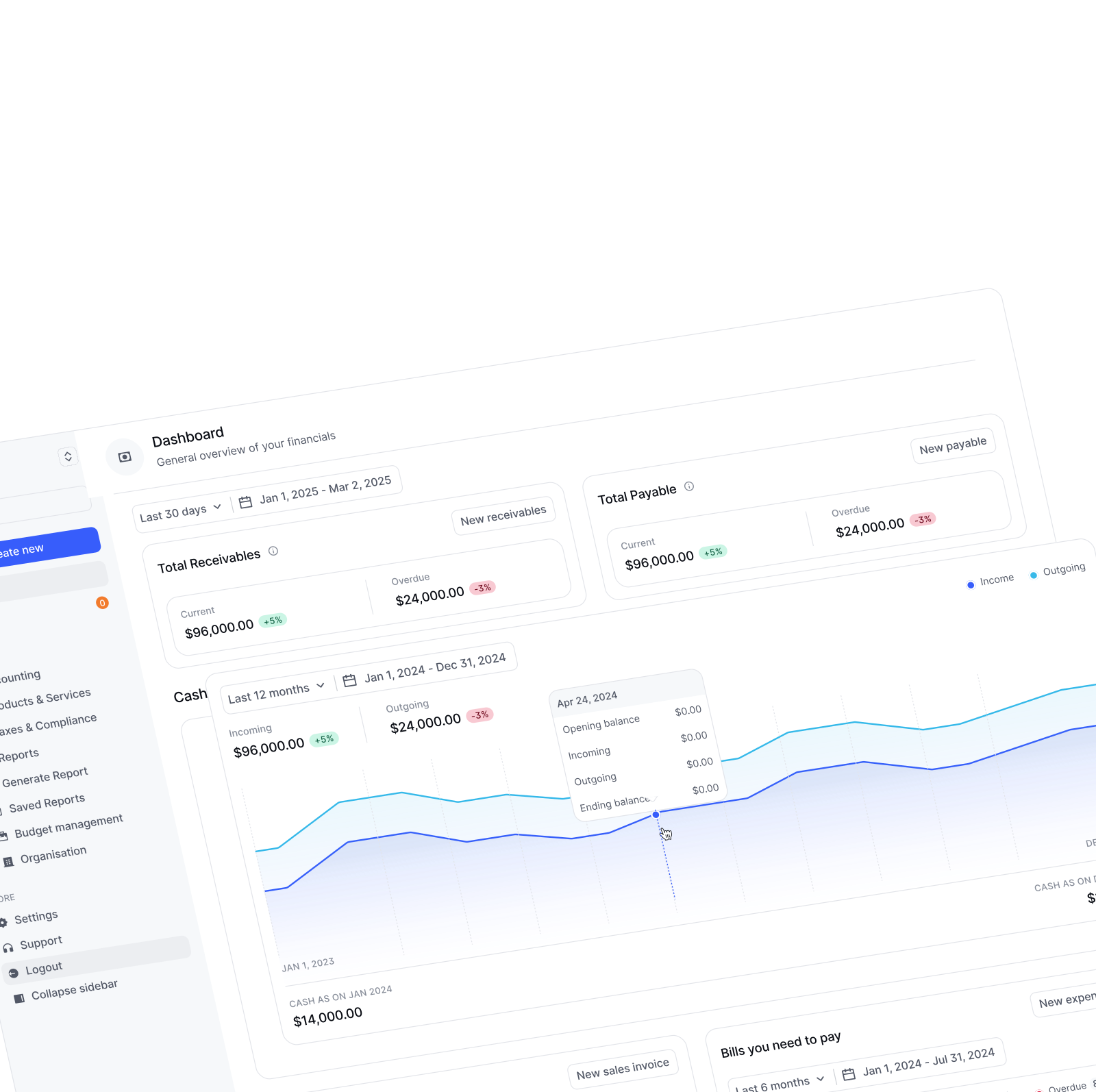
Deep finance is a robust smart, simple online accounting tool that helps small and medium sized businesses manage finances, track income and expenses, invoice customers, pay bills, process payroll, and generate reports.
Though there are different sections of the application, this case study will focus primarily on the Payroll feature.
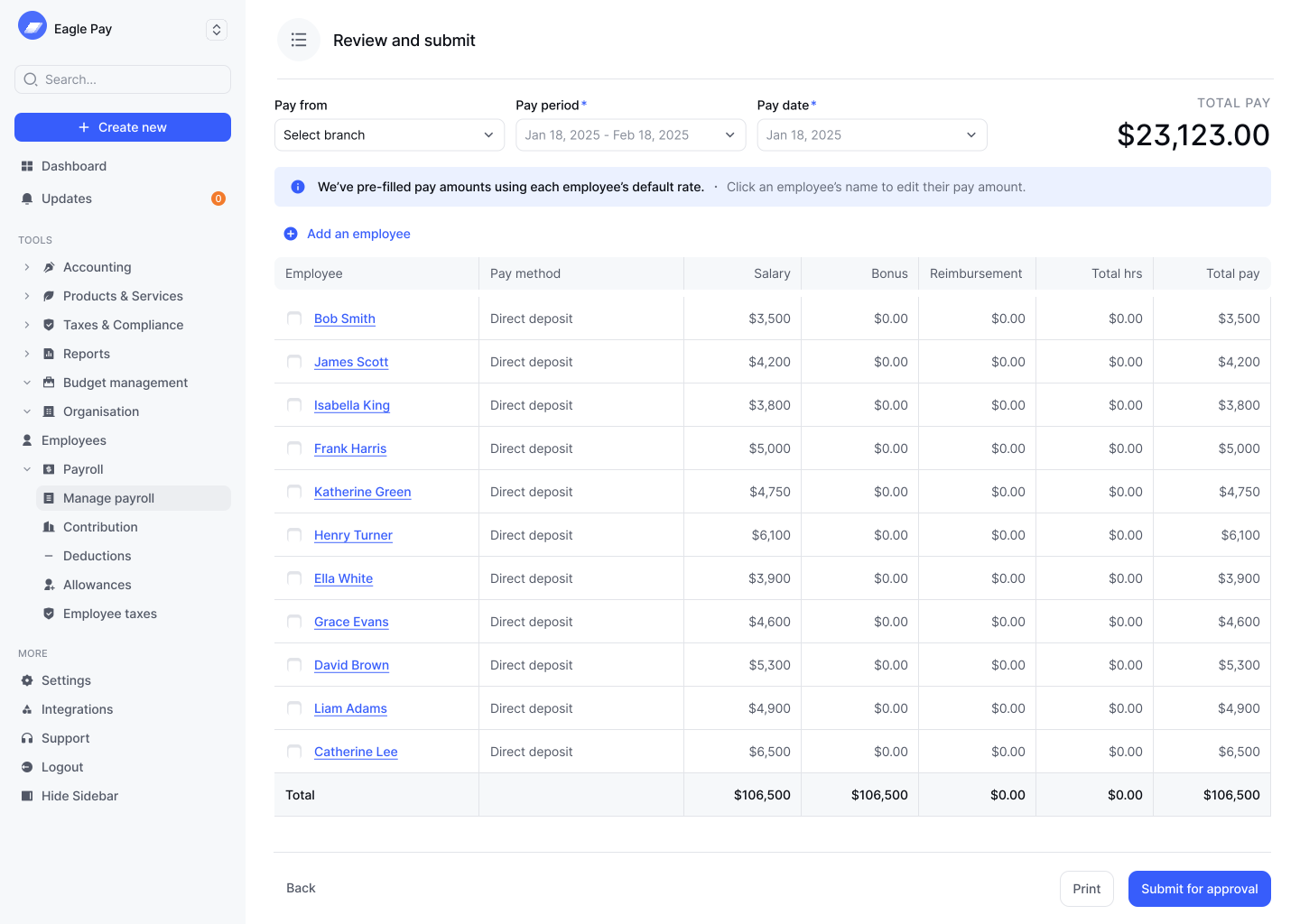
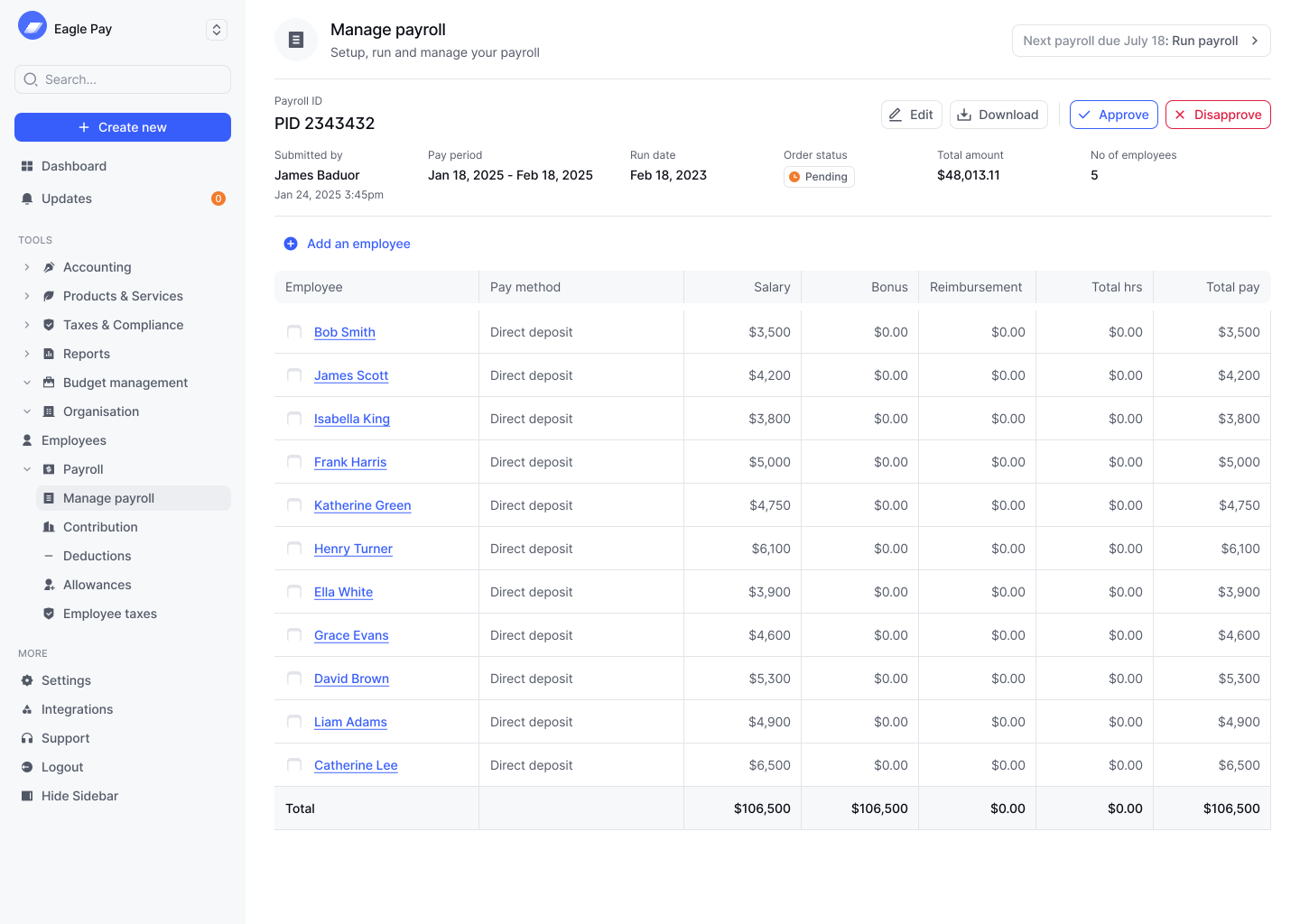
Managing payroll is one of the most critical yet time-consuming tasks for businesses. Many accounting tools offer payroll features, but they are often complex, error-prone, and difficult for non-specialists to navigate.
This leads to wasted time, compliance risks, and frustration for both employers and employees.There is a need for a smart, easy-to-use payroll feature that simplifies salary calculations, automates tax and statutory deductions, and ensures accuracy—all while integrating seamlessly into the broader accounting workflow.
The research strategy for the payroll feature combined multiple methods to ensure accuracy and usability. We analyzed legacy payroll systems to understand existing practices and pain points, studied tax structures across different jurisdictions to account for compliance requirements, and consulted payroll experts to validate our assumptions and refine workflows.
In crafting the payroll user experience, we focused on making the feature modular. Each component was broken down into its atomic functions, reducing cognitive load and allowing users to set up payroll step by step without missing key details.
Users could add employees and define compensation details, including pay amount, schedule, and type (such as commission, salary, or hourly rate).
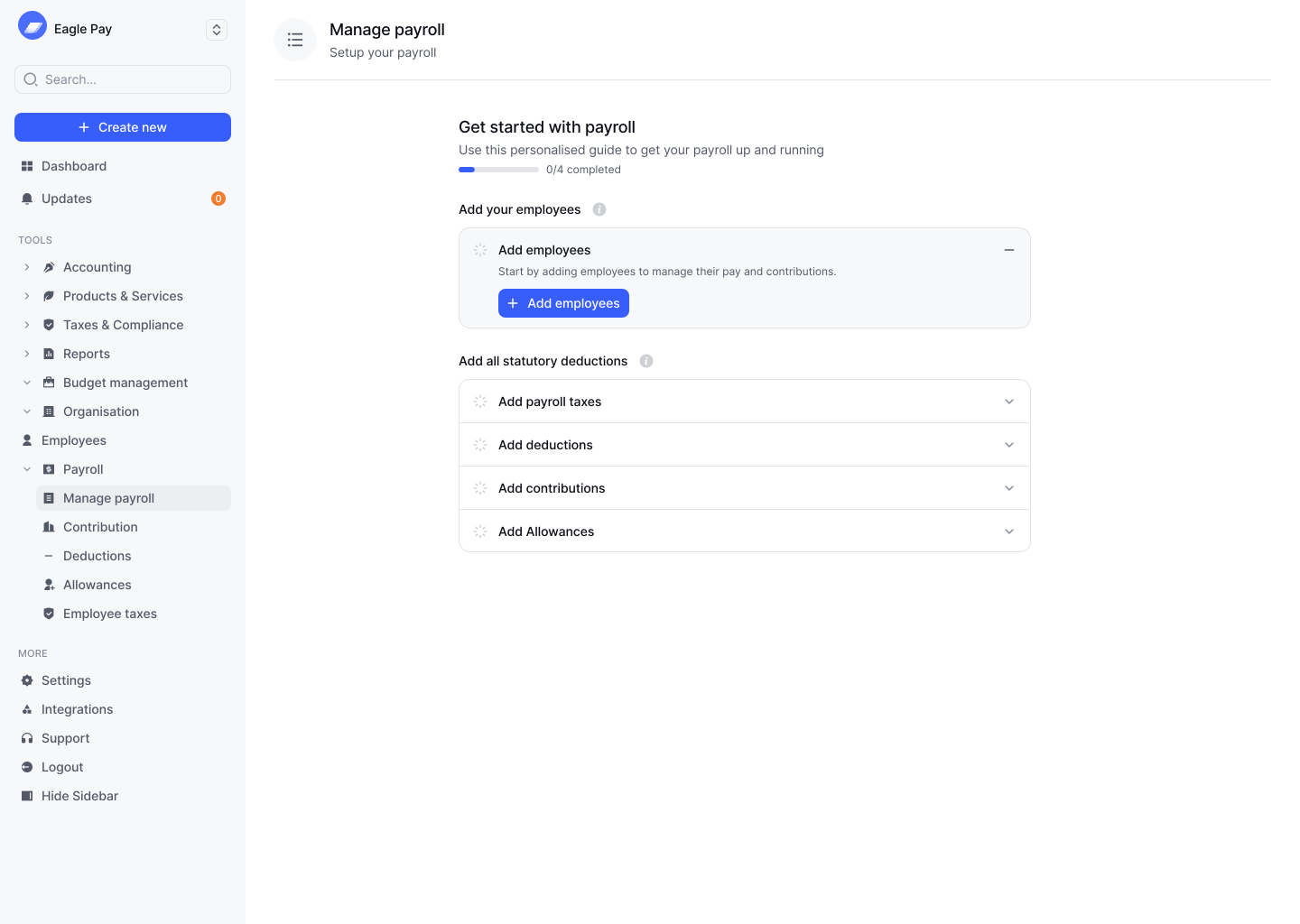
Contributions, allowances, deductions and Taxes were created as independent modules with tier setup options. This flexibility made it possible to assign values that matched the organization’s structure and catered to different employee categories.
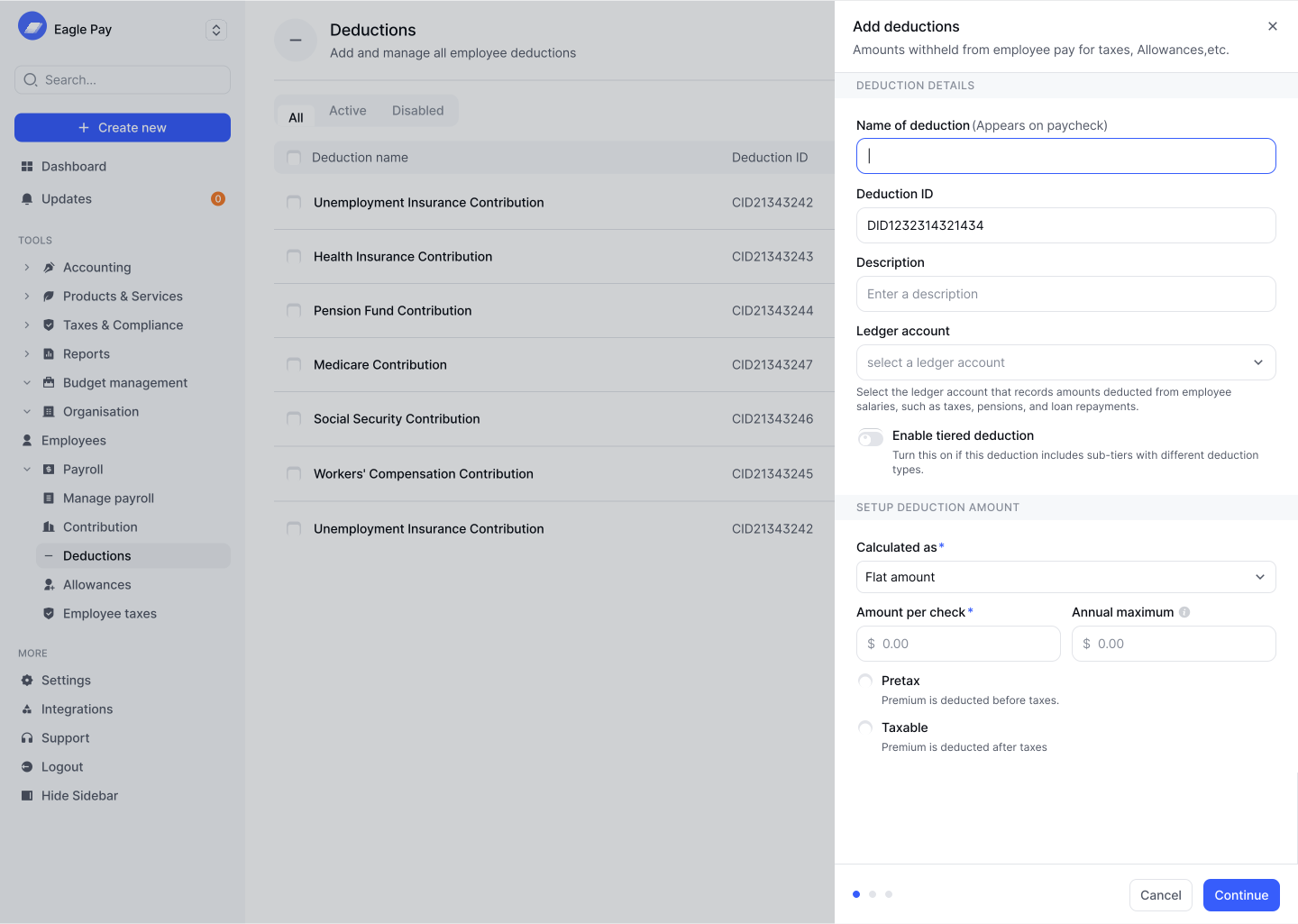
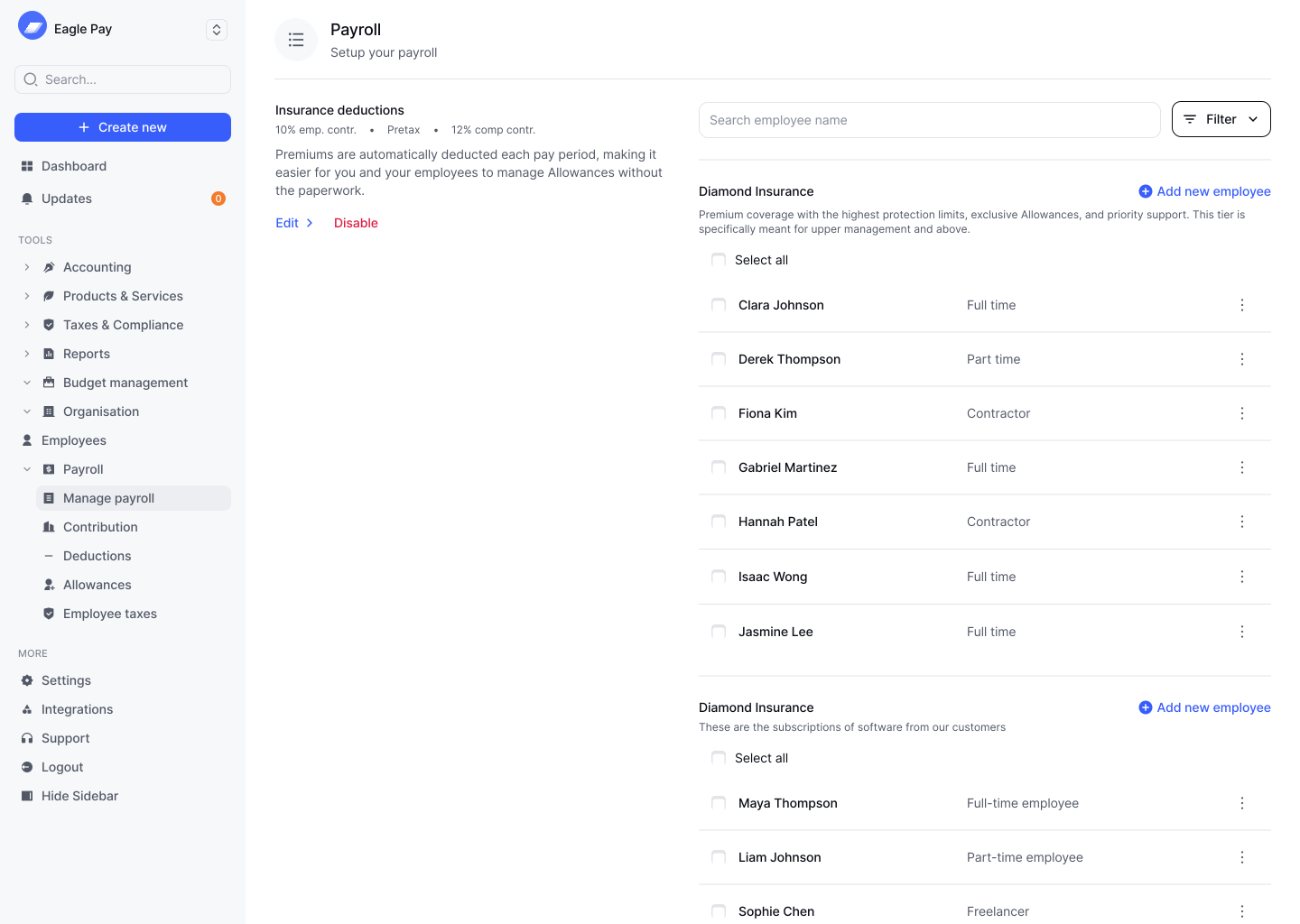
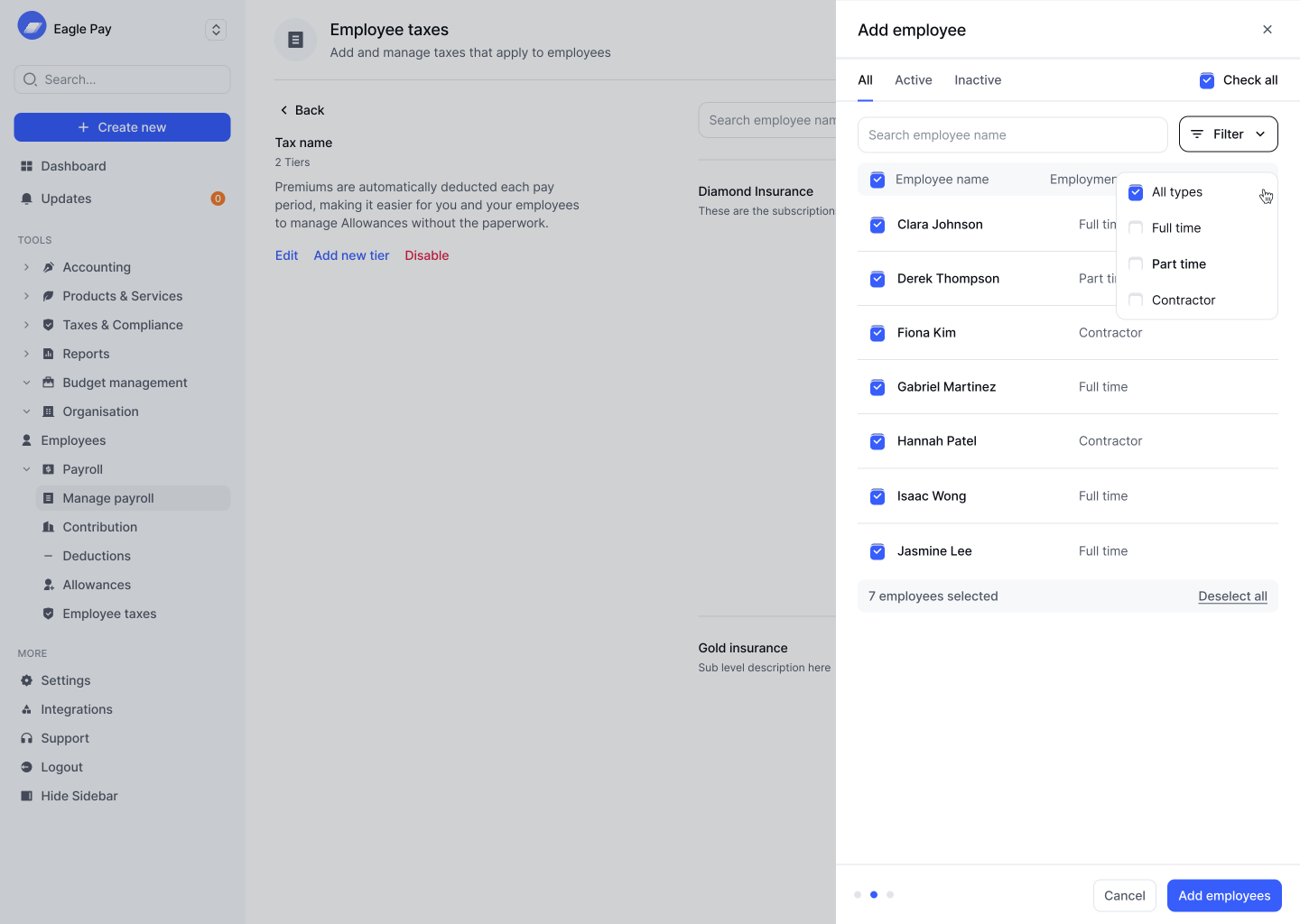

When running payroll, each employee row displayed columns that captured all relevant details—ensuring transparency, accuracy, and easy validation before processing.
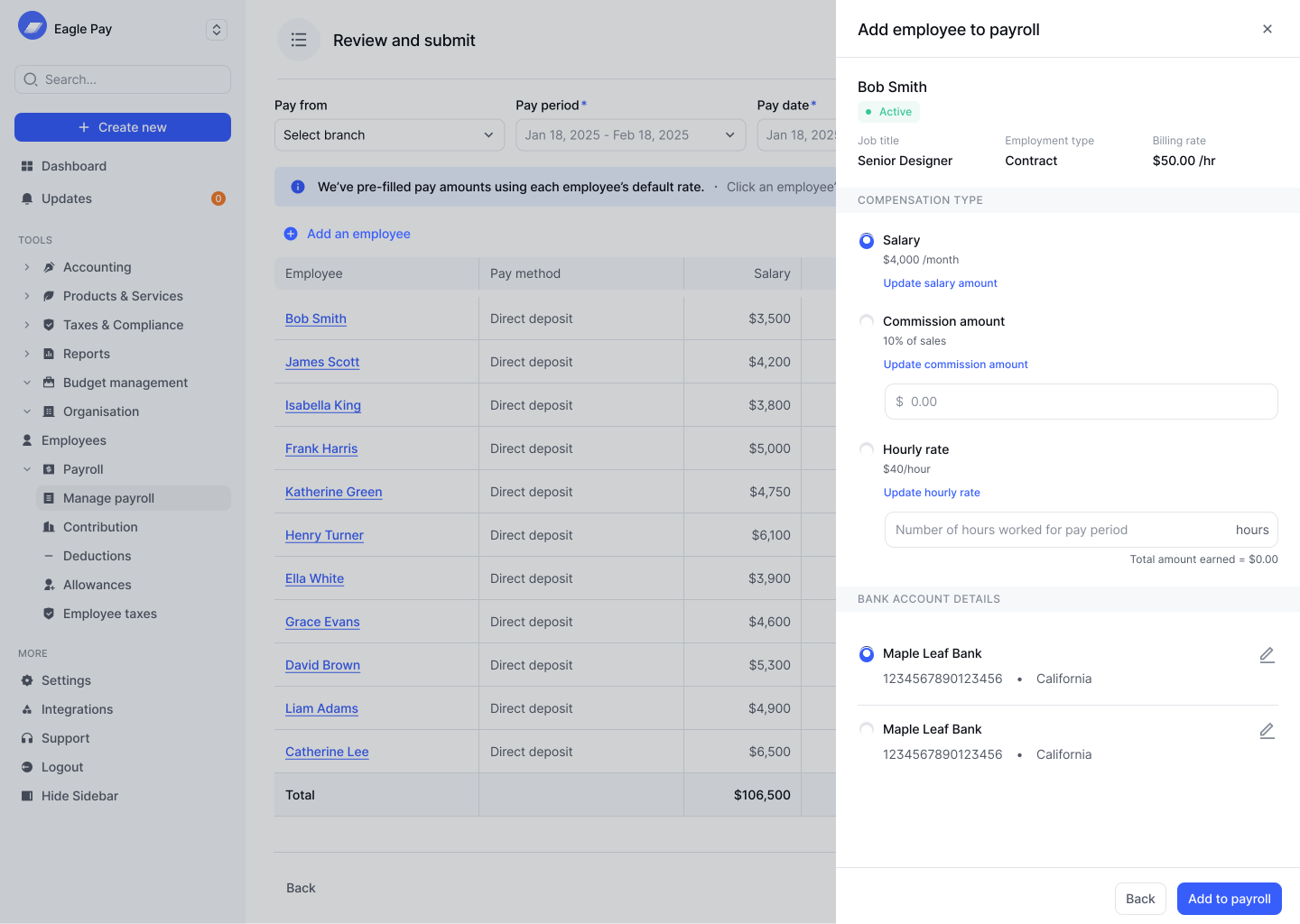
This project was a Herculean task, with the payroll feature being particularly challenging. It pushed me to think beyond design screens and dive deeper into how payroll systems must adapt to different jurisdictions and tax rules.
I also learned the importance of close collaboration with backend engineers, understanding how data is stored, retrieved, and computed shaped many of our design decisions. One of the key takeaways was finding ways to simplify complex processes for the end user by shifting the heavy lifting to the system. By identifying smart ways to automate calculations in the background, we allowed users to provide only minimal inputs while still ensuring accuracy and compliance.
Overall, the experience reinforced the value of designing not just for usability, but also for scalability, adaptability, and seamless collaboration between design and engineering.