
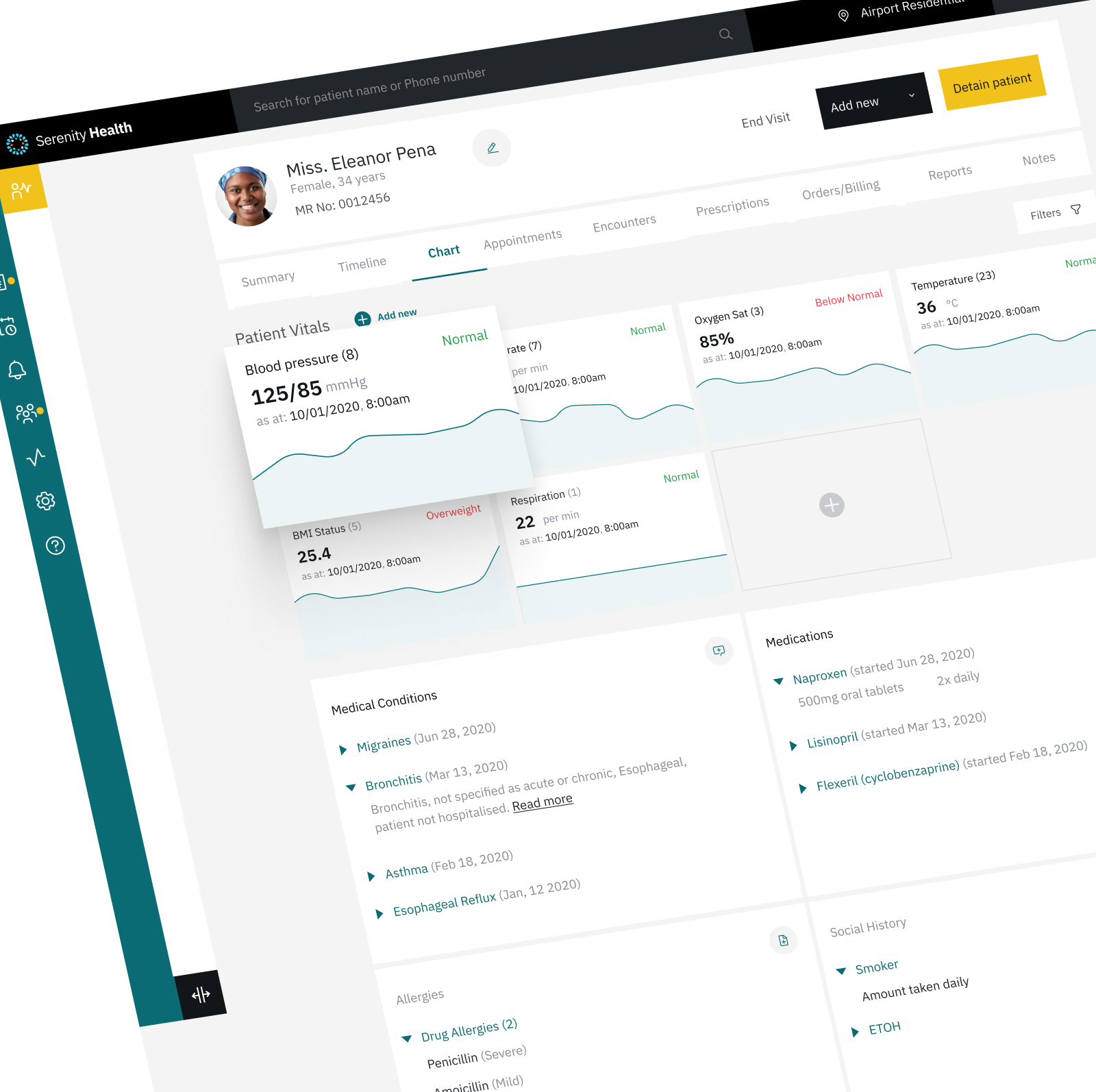
Serenity is an Electronic Health Records (EHR) system designed for a hospital chain, created to solve the inefficiencies and frustrations that plague traditional EMRs. Most existing systems are built with an engineering-first mindset, leaving a gap between healthcare professionals and the tools they depend on.
With Serenity, we set out to close that gap through a user-centered approach—reimagining the healthcare experience from the ground up. By conducting in-depth research with doctors, nurses, lab technicians, accountants, midwives, and OPD receptionists, we designed an intuitive and efficient system tailored to the real needs of healthcare providers.
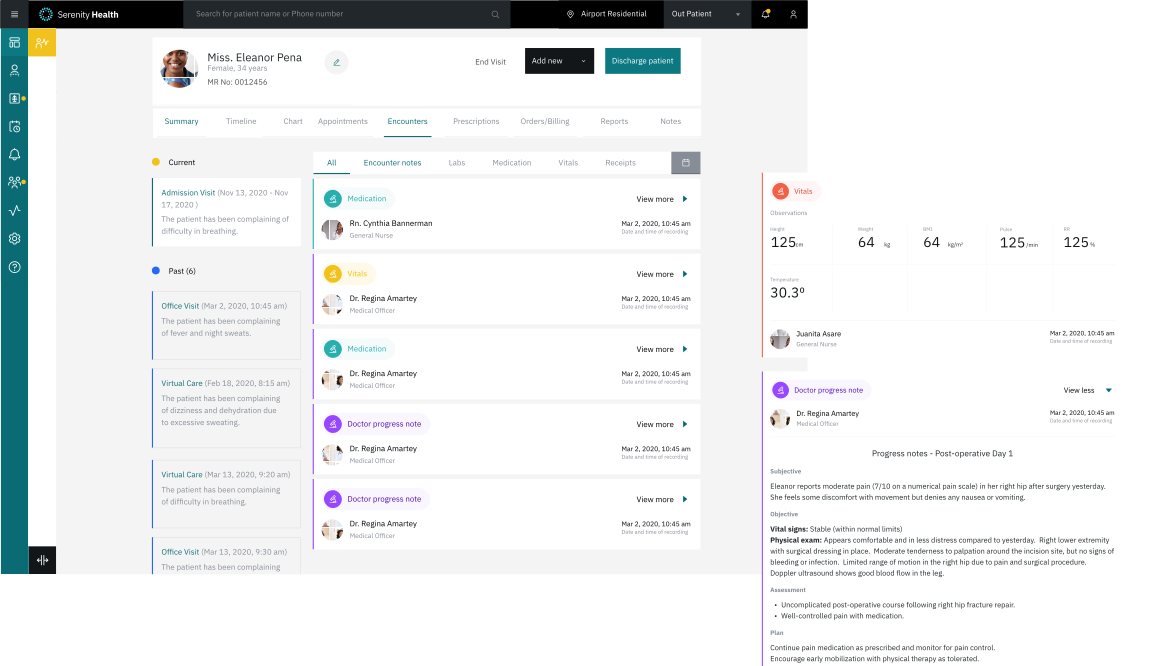
Healthcare professionals struggle with existing Electronic Medical Record (EMR) systems, which are often built with an engineering-first mindset. This results in clunky, inefficient tools that slow down daily workflows instead of supporting them. What’s needed is an intuitive and efficient EHR system that aligns with the way healthcare providers actually work.
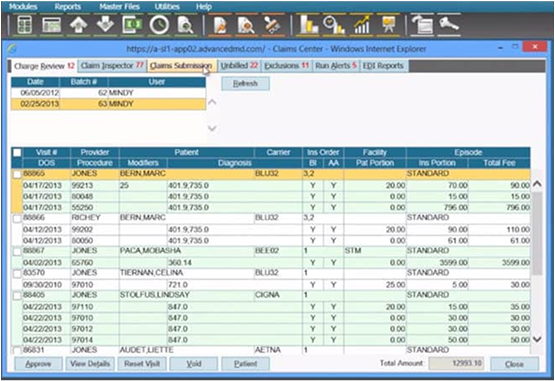
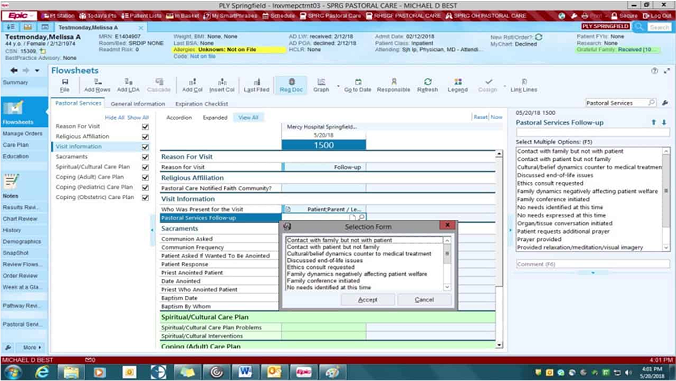
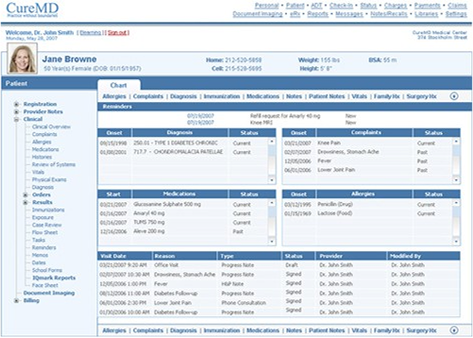
These screenshots are taken from an online article that promotes these EMRs as some of the best on the market.
Our research strategy focused on mapping existing workflows and aligning them with the FHIR specification. We shadowed doctors, nurses, and lab technicians to observe their day-to-day processes, gaining firsthand insight into how they work. This allowed us to identify opportunities to digitize and streamline workflows while preserving the practices healthcare professionals were already familiar with.
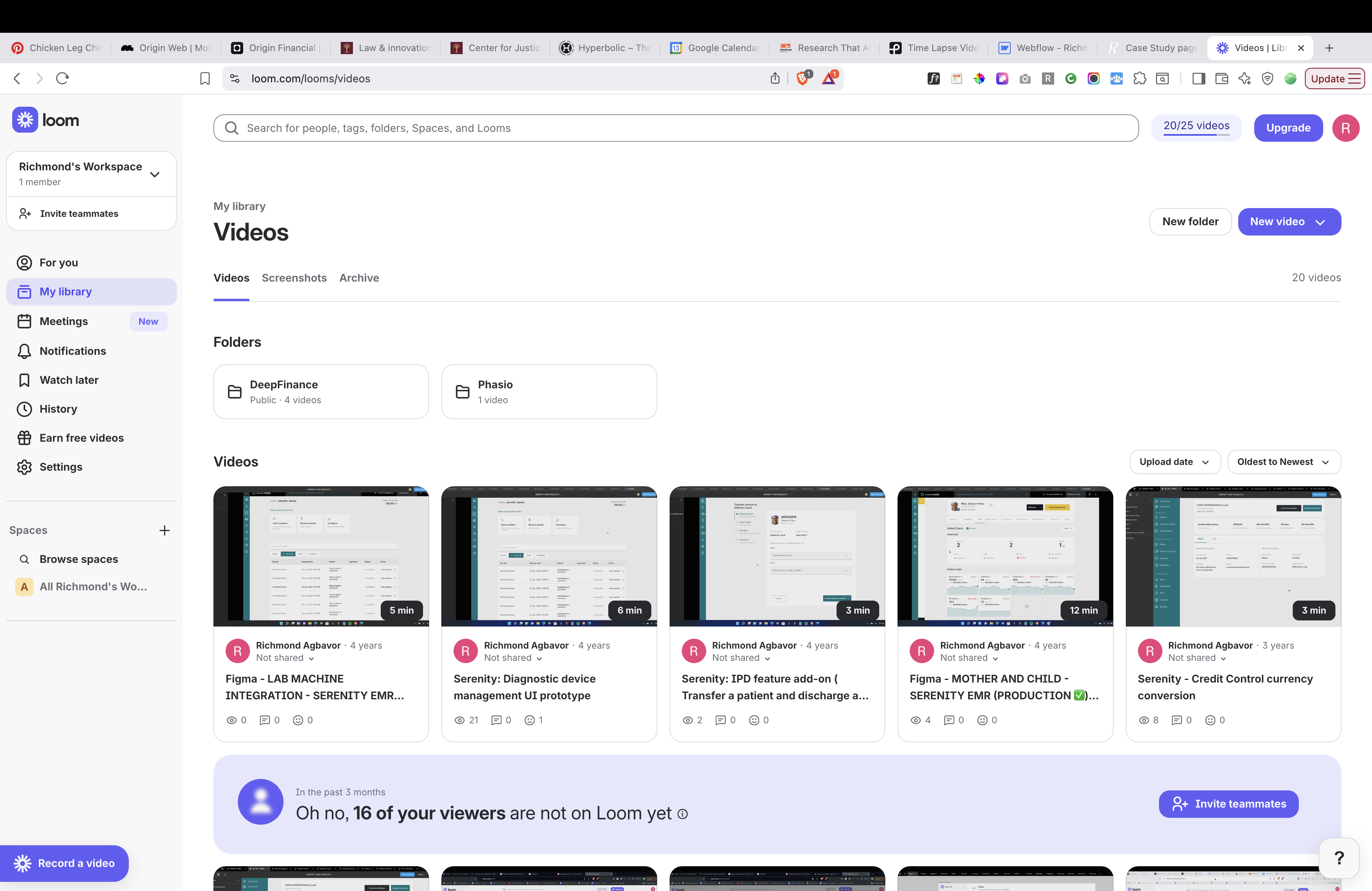
As we crafted the user experience, we realized that the entire healthcare delivery process revolves around patient care. This insight led us to adopt a patient-first approach, designing every flow around how practitioners interact with patients through the system.
We drafted user stories that mirrored real scenarios, how patients are admitted, how triage decisions are made, what triggers a ward change, and more. By grounding the design in these patient-centered journeys, the system was shaped to seamlessly support practitioners’ work, functioning as an almost invisible tool that enhances care delivery.
To ensure accessibility in real-world hospital settings, Serenity was also optimized for touch input on tablets. This allowed doctors, nurses, and other staff to quickly record or retrieve information on the go, whether during ward rounds, in emergency situations, or while moving between departments. Large tap targets, simplified navigation, and responsive layouts made the system easy to use across devices without sacrificing efficiency.
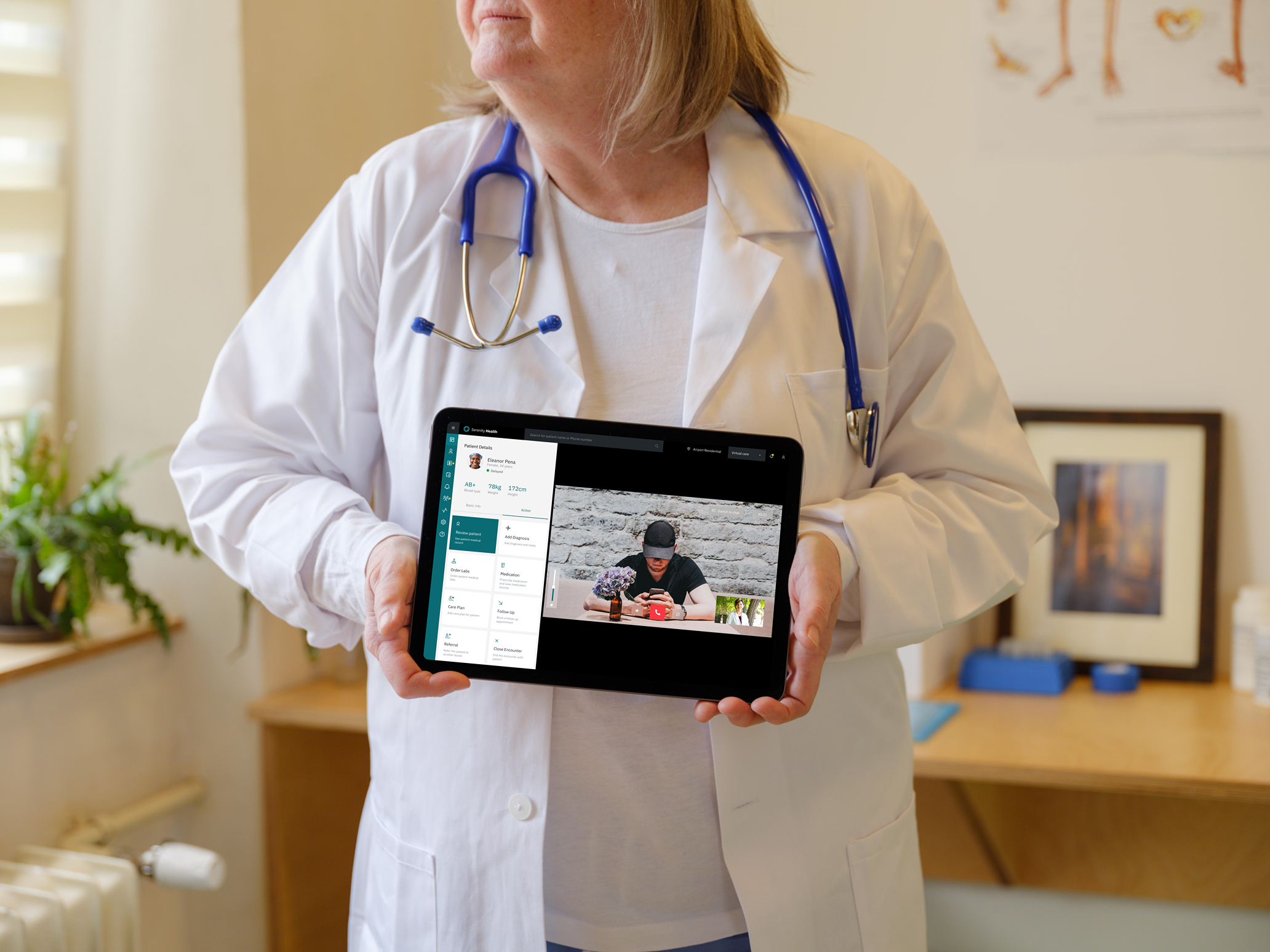
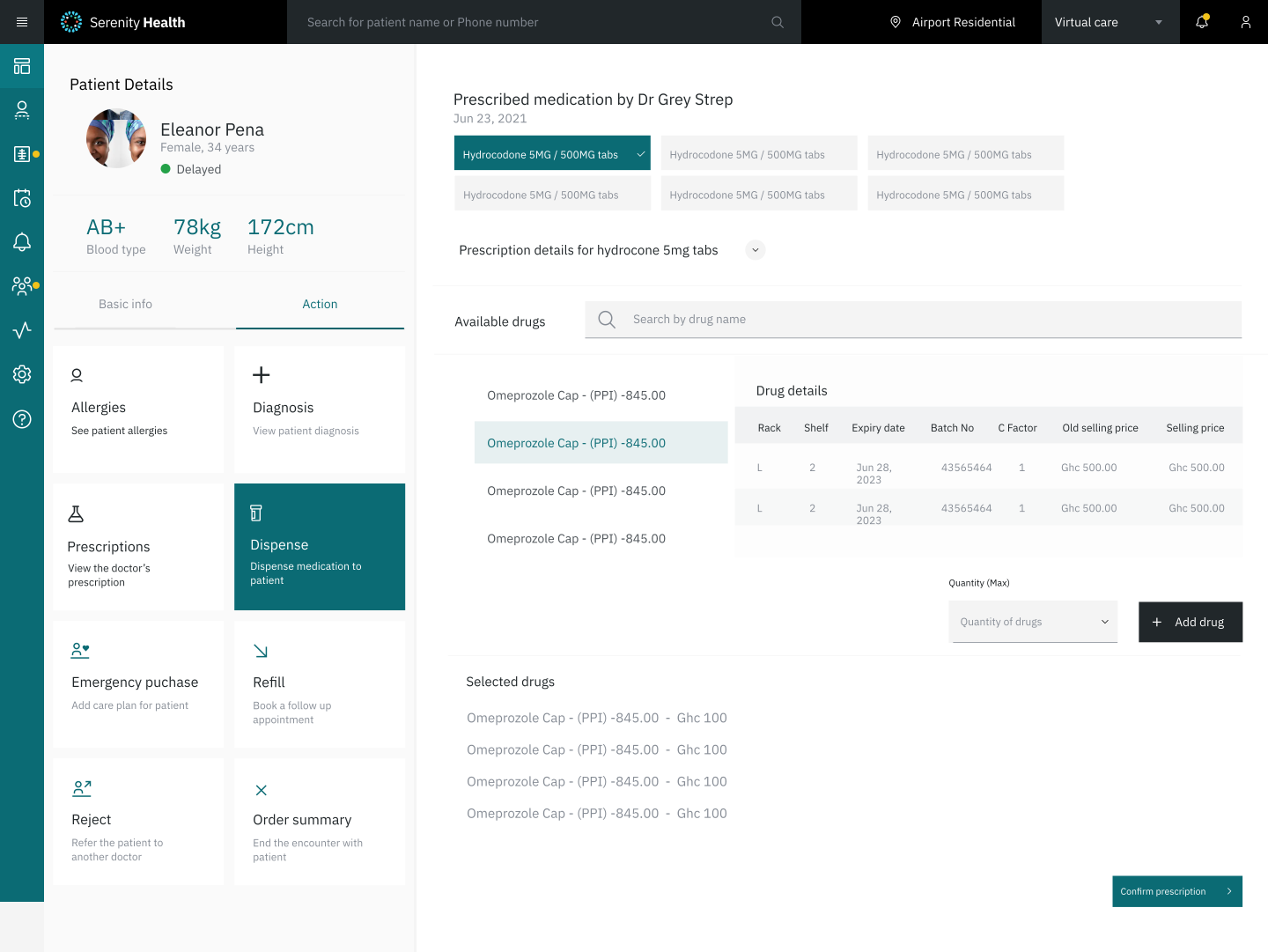
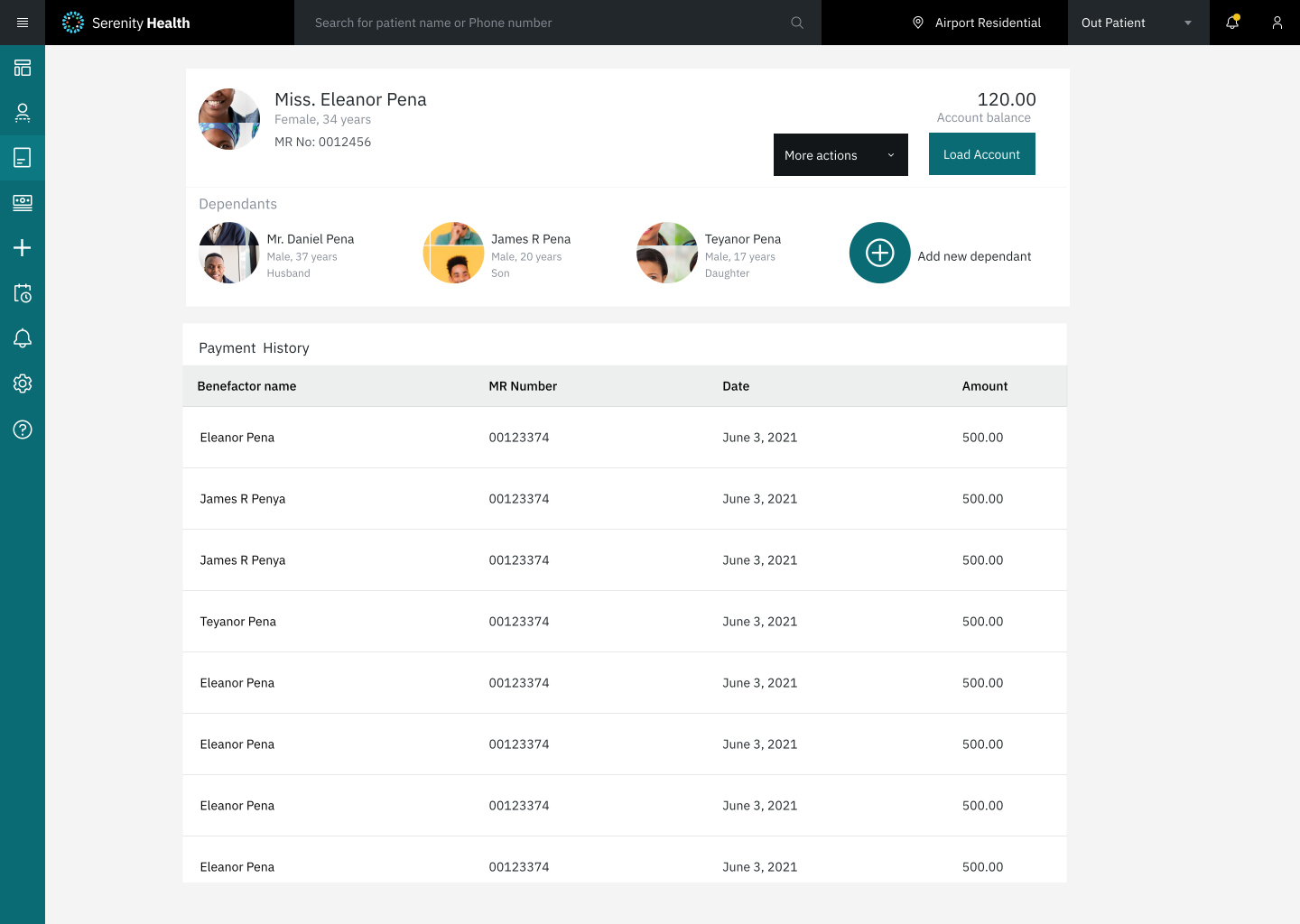
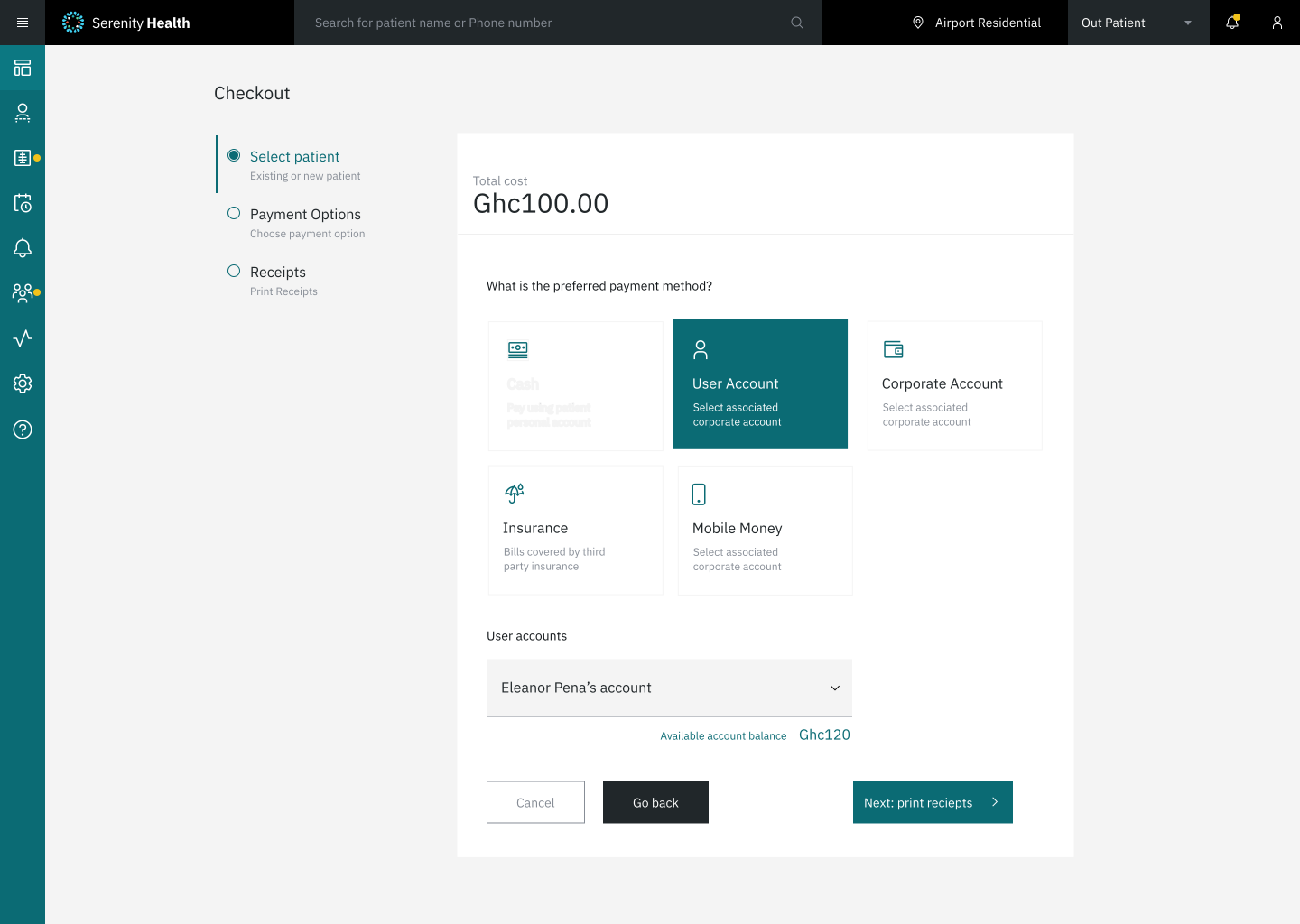
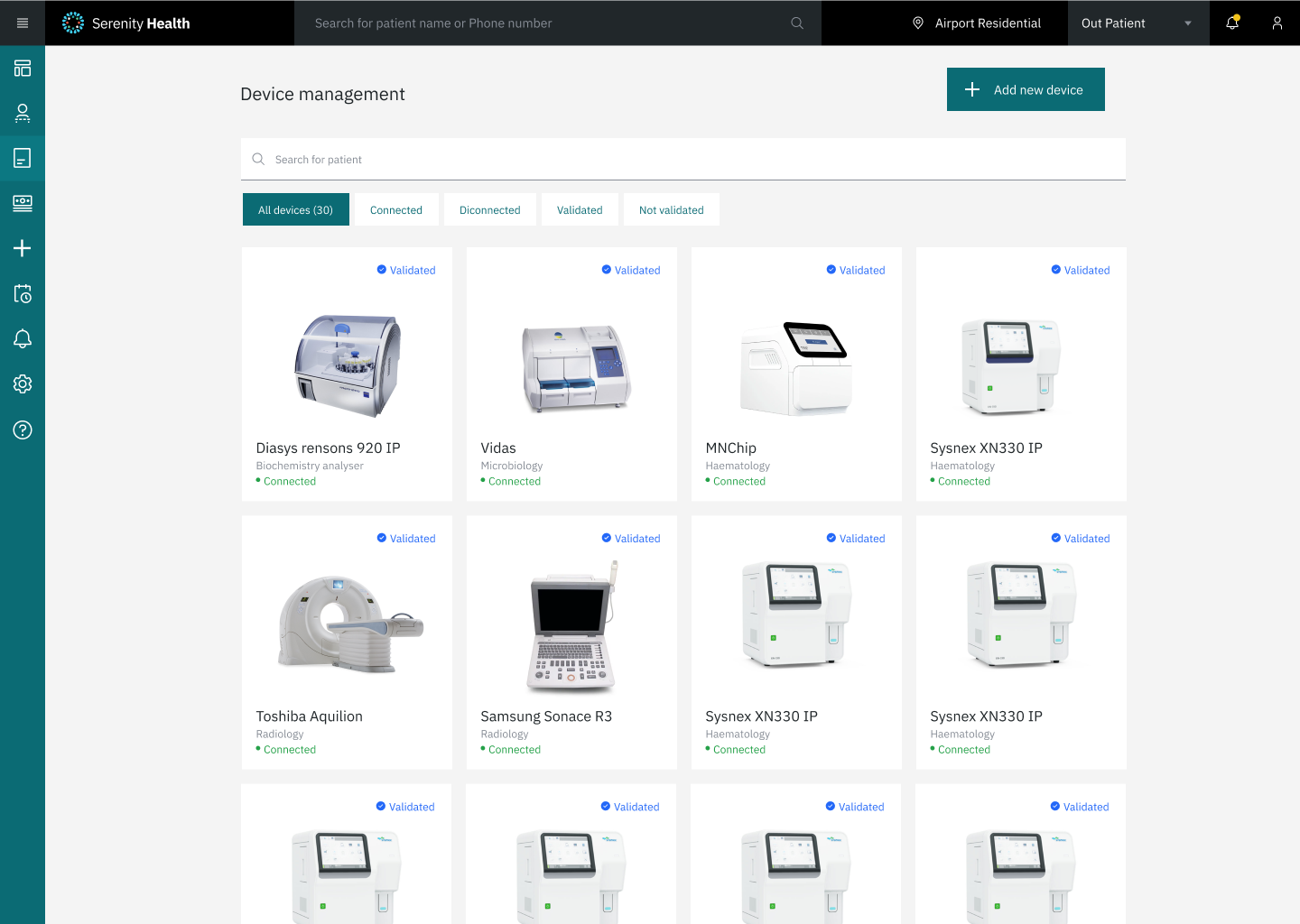
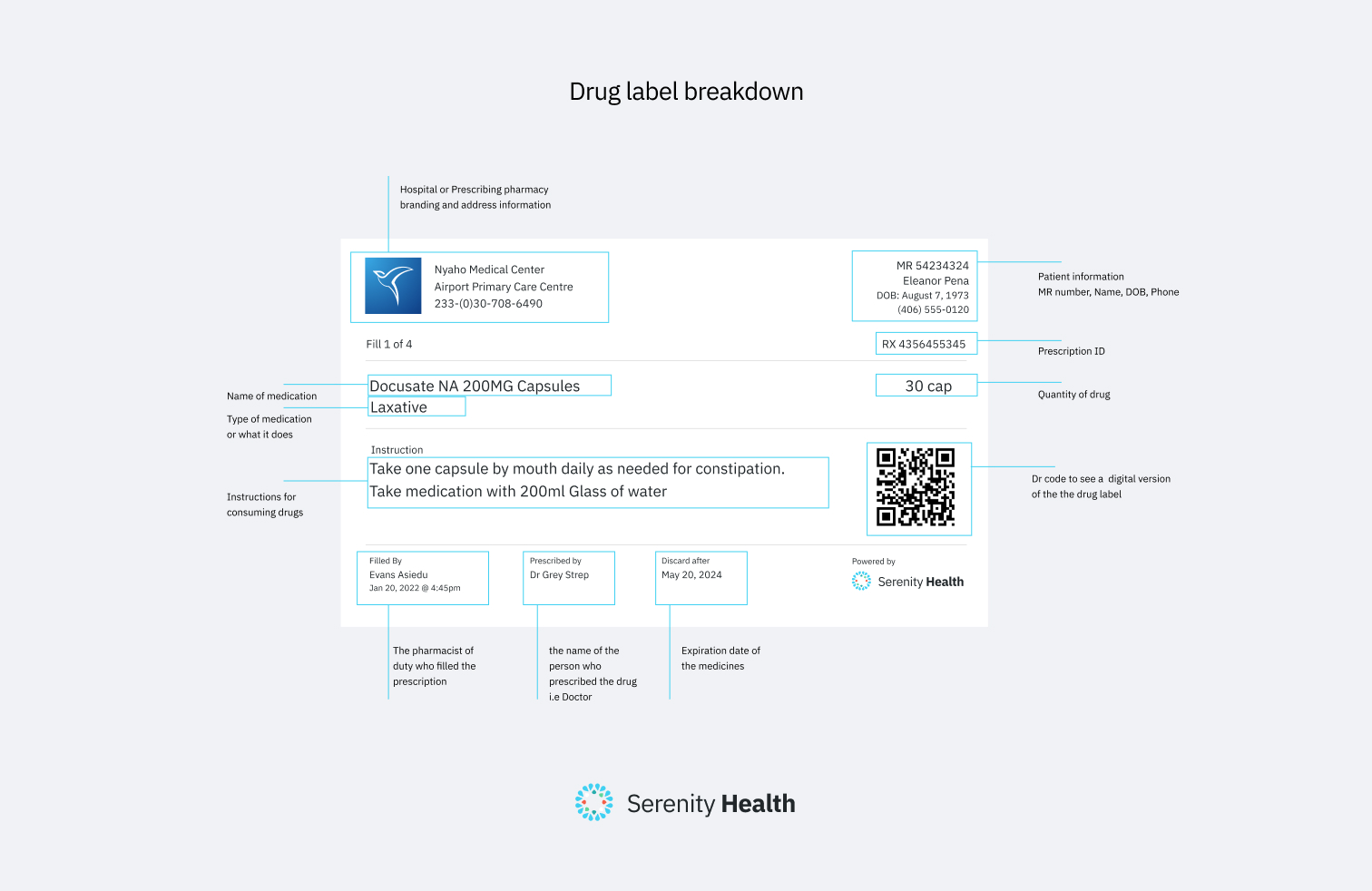
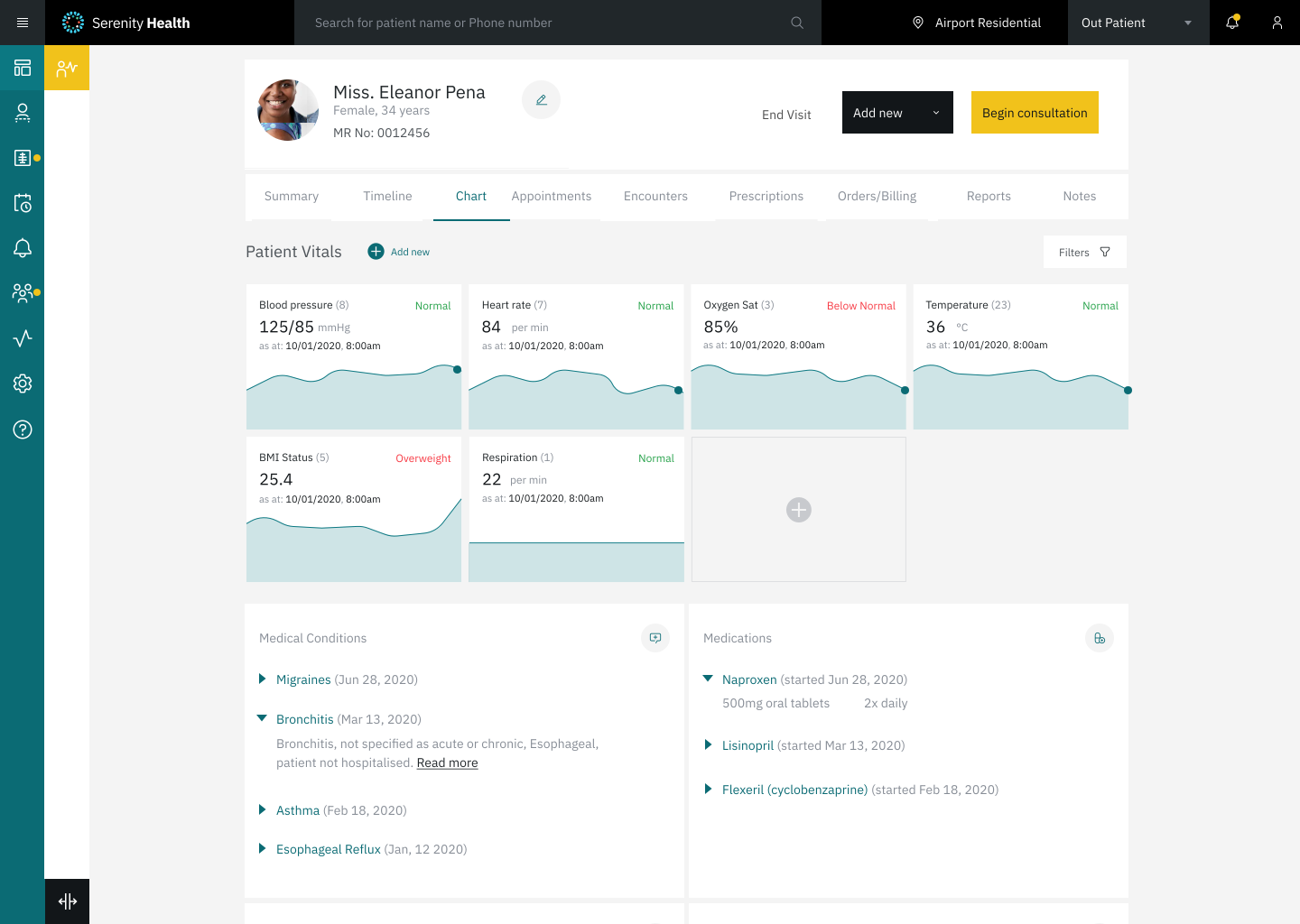
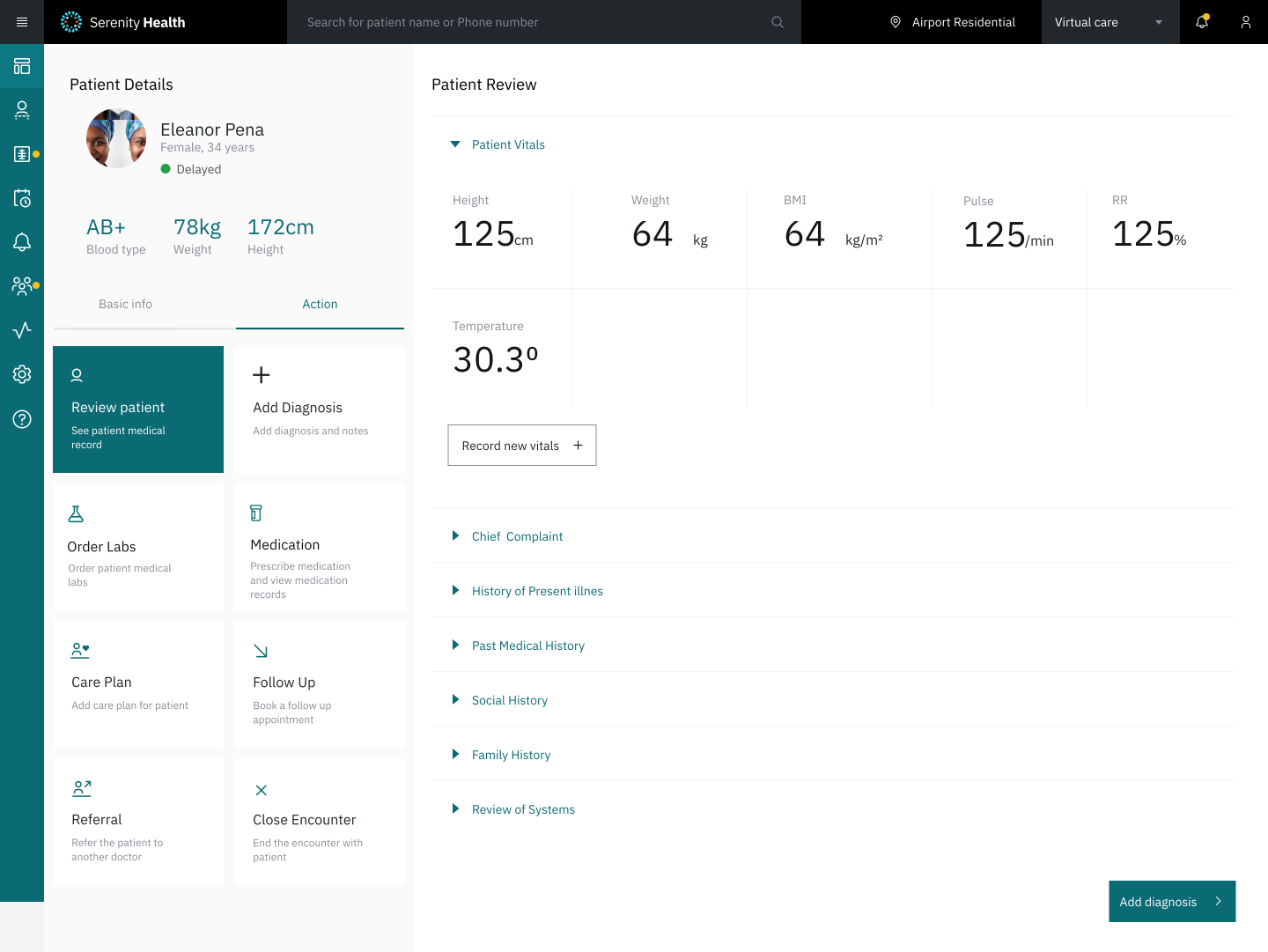
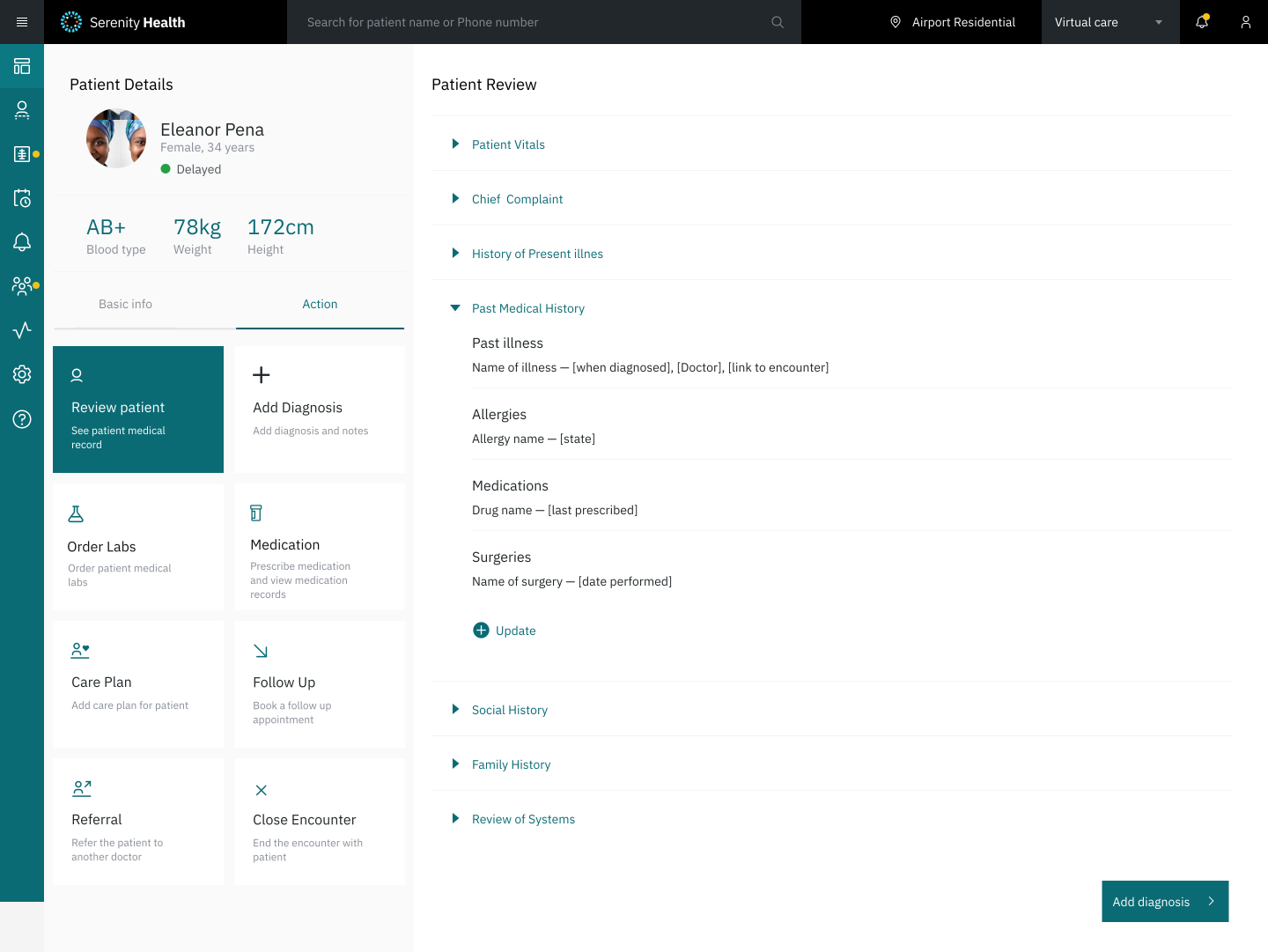
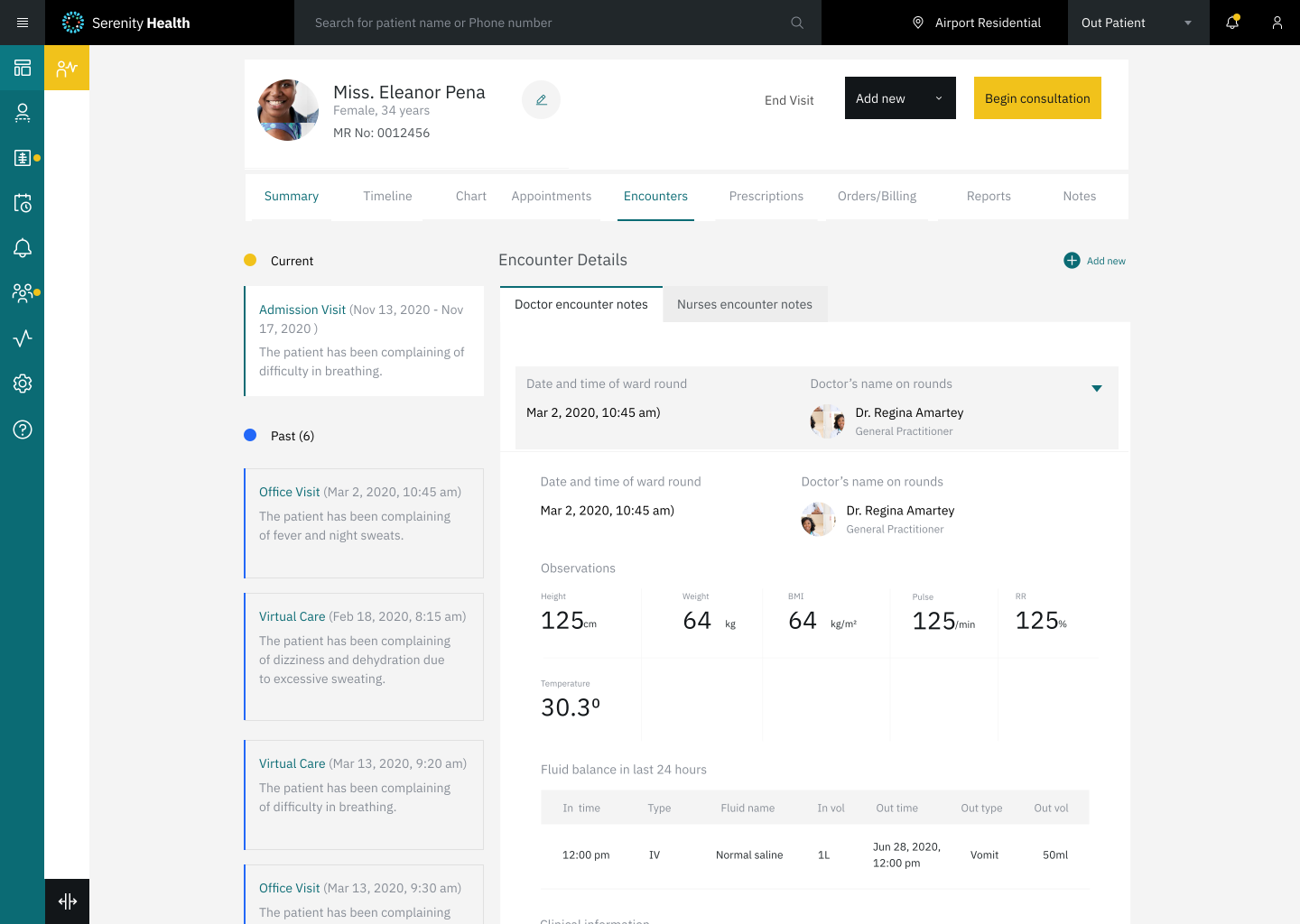
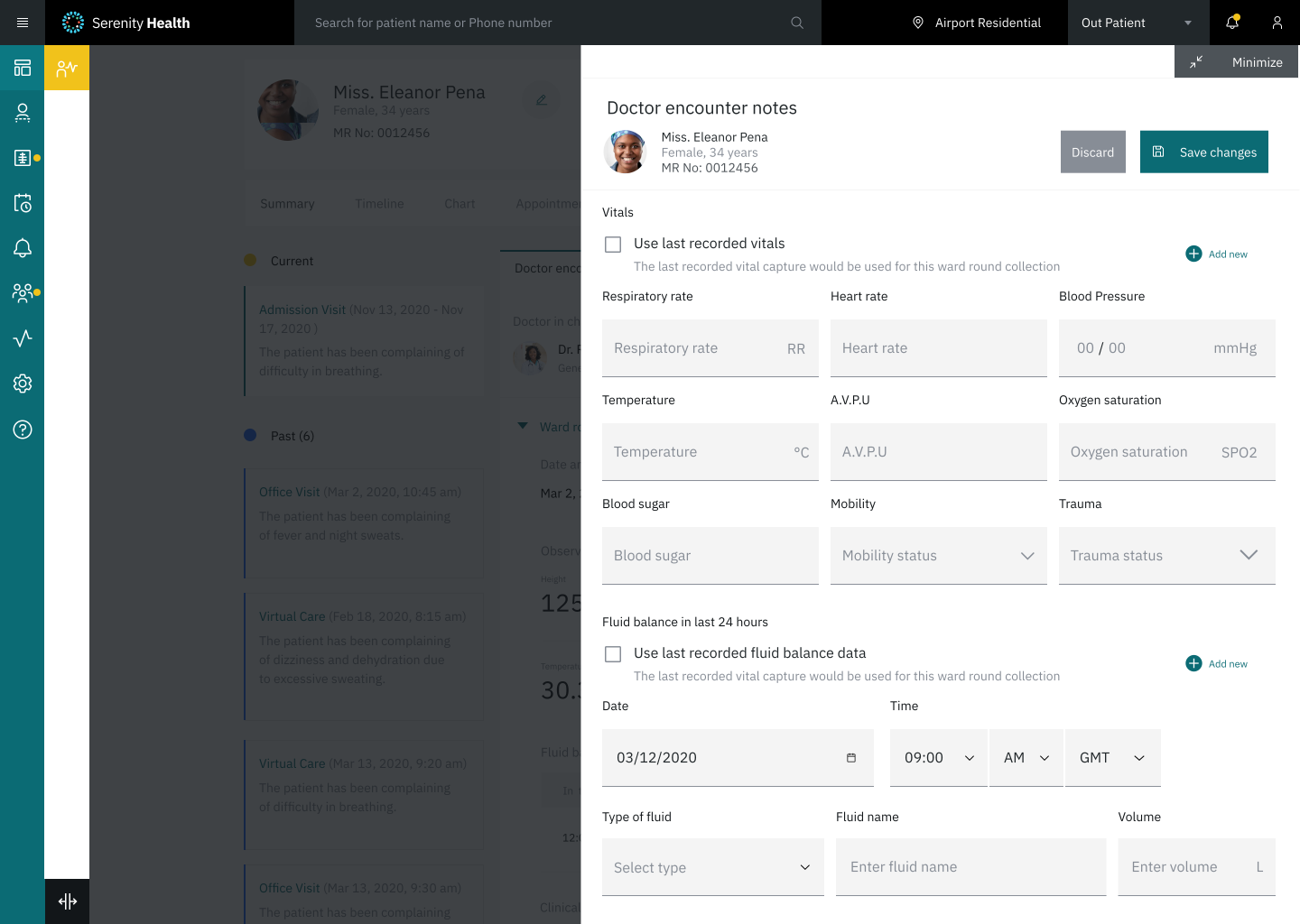
This project required extensive research, close collaboration, and ongoing discussions with stakeholders. It gave me valuable exposure to the medical field and the complex systems that keep a hospital operating smoothly.
Through the process, I learned to ask the right questions, uncover stakeholder needs, and partner effectively with developers. With so many moving parts, staying aligned was a challenge, but the development team played an invaluable role. The experience reinforced the importance of treating developers not just as implementers, but as key partners in the design process.
